Problem Solving: A Handwritten Font for Real Business Branding
As a small business owner, you quickly learn that your brand is more than just a logo or a product; it is the sum of every interaction a customer has with you. From the moment they see your Instagram post to the second they peel a sticker off your packaging, you are communicating value, personality, and trust. In a crowded marketplace, consistency is the secret weapon that separates hobbyists from established enterprises. This is where Problem Solving comes in. More than just a decorative element, this captivating script and handwritten font serves as a strategic asset for entrepreneurs who need their visual identity to feel authentic, ingenuous, and distinctly human.
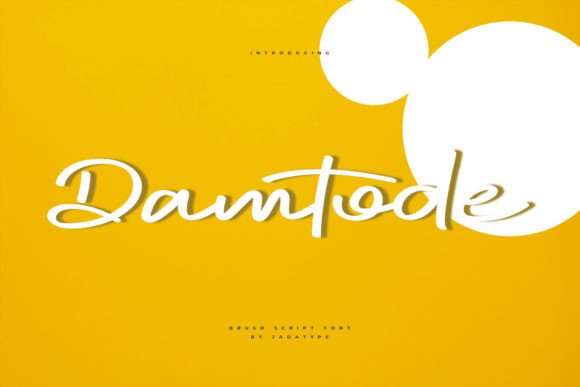
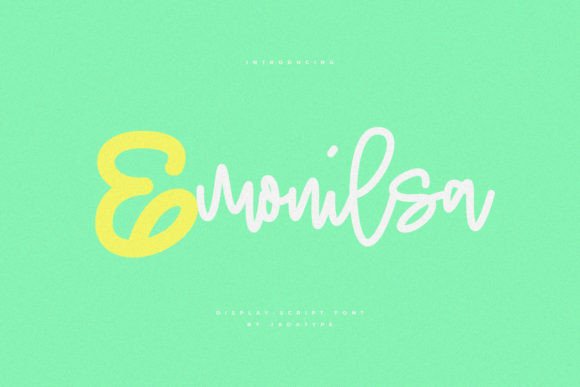
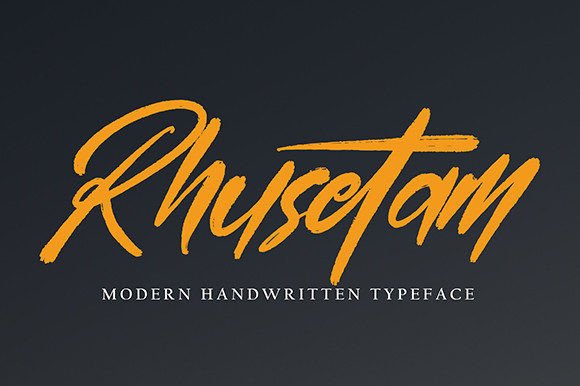
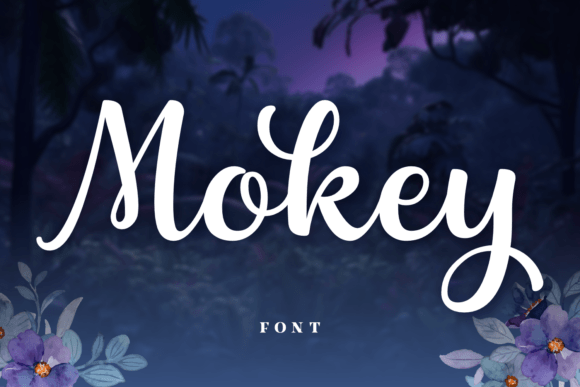
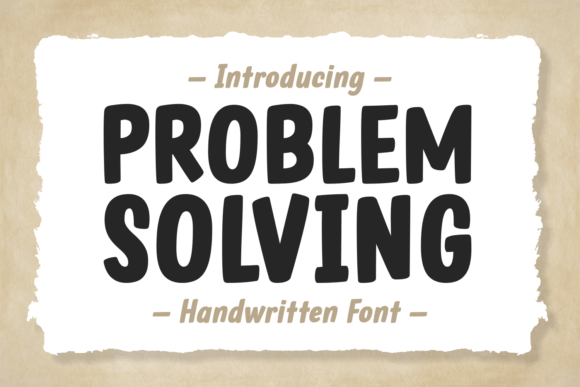
Problem Solving is not your average typeface. It embodies creativity with fluid strokes that mimic the natural movement of a pen on paper. Unlike rigid, geometric fonts that can feel cold or corporate, this handwritten font brings warmth and approachability to your materials. For boutique owners, café operators, and handmade product sellers, this mood is essential. It tells your customers that there is a real person behind the brand, someone who cares about the details. Whether you are designing a new line of organic skincare labels or updating your bakery's menu board, the authentic feel of this typeface helps bridge the gap between digital convenience and personal connection.
Elevating Everyday Business Touchpoints
The true test of any creative font is its versatility across real-world applications. You do not need a different font for every platform; you need one reliable display font that adapts to various contexts while maintaining brand recognition. Problem Solving excels in this regard because its strokes are bold enough to grab attention on a website banner yet delicate enough to look elegant on a business card.
Consider how this script font can transform your packaging design. If you sell handmade candles, imagine a minimalist jar label where Problem Solving is used for the scent name. The fluidity of the letters suggests craftsmanship and care, instantly elevating the perceived value of the product. Similarly, for a coaching business or a freelance consultant, using this font on thank-you cards included in client welcome kits adds a personal touch that standard computer fonts simply cannot match. It turns a routine transaction into a memorable experience.
Social media is another critical arena where Problem Solving shines. On platforms like Instagram and Pinterest, visuals must stop the scroll. Using this font for quote graphics, sale announcements, or story highlights creates a cohesive aesthetic that makes your profile instantly recognizable. When followers see those specific fluid strokes, they immediately know the content belongs to your brand before even reading the handle. This level of visual consistency builds trust and familiarity, which are crucial for converting followers into paying customers.
Strategic Usage for Maximum Impact
While Problem Solving is undeniably beautiful, knowing when and how to use it is key to maintaining professionalism. As a modern typography choice, it works best as a headline, logo element, or accent font rather than for long blocks of body text. Its expressive nature demands space to breathe. Here are some practical ways to integrate it into your brand identity:
- Logo Design: Use it as the primary wordmark for lifestyle brands, boutiques, or creative agencies where personality is paramount.
- Packaging and Labels: Ideal for product names, limited edition tags, or "handmade" badges on boxes and bags.
- Web Design: Perfect for hero section headers, call-to-action buttons, or testimonial quotes on your homepage.
- Print Materials: Excellent for flyers, event invitations, menu specials, and storefront signage.
- Digital Ads: Use it to highlight key offers or emotional hooks in social media advertisements.
Readability is a common concern with script fonts, but Problem Solving is designed with clarity in mind. The characters are distinct and well-spaced, ensuring legibility even on smaller mobile screens or compact product labels. However, prudence is still advised. Avoid using it for ingredients lists, legal disclaimers, or dense paragraphs where a clean sans serif font or a traditional serif font would be more appropriate. The goal is to guide the eye, not to fatigue it.
Creating Harmony with Font Pairing
A single great font rarely stands alone; it thrives in partnership. To create a balanced and professional look, pair Problem Solving with a neutral counterpart. Since this premium font has so much character and movement, it pairs beautifully with simple, structured typefaces.
For a modern, clean look, try combining it with a geometric sans serif font. This contrast allows the handwriting style to pop while the sans serif handles the informational heavy lifting, such as prices, dates, or descriptions. Alternatively, if you want to evoke a sense of tradition and elegance—perhaps for a wedding stationery business or a high-end tea shop—pair it with a classic serif font. The juxtaposition of the fluid script against the structured serifs creates a sophisticated hierarchy that feels intentional and curated. Remember, effective font pairing is about balance; let Problem Solving be the star, and let the supporting font be the stage.
Practical Steps Before Full Implementation
Before rolling out Problem Solving across your entire suite of design assets, take time to test it in context. Print a sample label at actual size to ensure the strokes do not blur or merge when ink hits paper. View your social media graphics on both a desktop monitor and a smartphone to verify readability on different screen resolutions. Mock up your logo on a dark background and a light background to check for contrast issues. These small tests prevent costly mistakes and ensure your brand looks polished everywhere.
Finally, always verify the licensing terms. As a business owner, protecting your enterprise is priority number one. Ensure you have the correct commercial font license for your specific needs. Whether you are printing merchandise, creating digital downloads for clients, or using the font in mass-market packaging, understanding your rights prevents legal headaches down the road. Investing in the proper license is an investment in the longevity and security of your brand.
In the end, choosing the right fonts is a business decision as much as it is a creative one. Problem Solving offers a unique blend of ingenuity and authenticity that can help your small business stand out. By using it strategically across your logos, packaging, and digital presence, you create a cohesive narrative that resonates with customers. It is not just about making things look pretty; it is about solving the problem of invisibility in a noisy market. With the right typeface, your brand stops being just another option and starts becoming a favorite.